



The 2026 Investors Playbook From AI Dominance to Global Opportunities
January 01, 2026
3 min
Hey folks, Kane Buffett here. For over a decade from this digital pulpit, we’ve dissected market moves, celebrated splits, and called out pivots. Today, we’re staring at a convergence of events that’s reshaping the entertainment landscape right before our eyes. We’ve got a fresh face in the S&P 500 courtesy of a stock split, and the streaming titan Netflix is once again at the center of a seismic shift, potentially eyeing its biggest content grab yet with Warner Bros. Discovery. Let’s break down what this means for your portfolio and where the real opportunities lie in this new, brutal phase of the streaming wars.
☁️ Want to stay ahead of the market with data-driven investment strategies? Here’s what you need to know about The AI Chip Wars Heat Up AMDs Bold Prediction, NVIDIAs Trump Bump, and the Battle for Supremacy for comprehensive market insights and expert analysis.
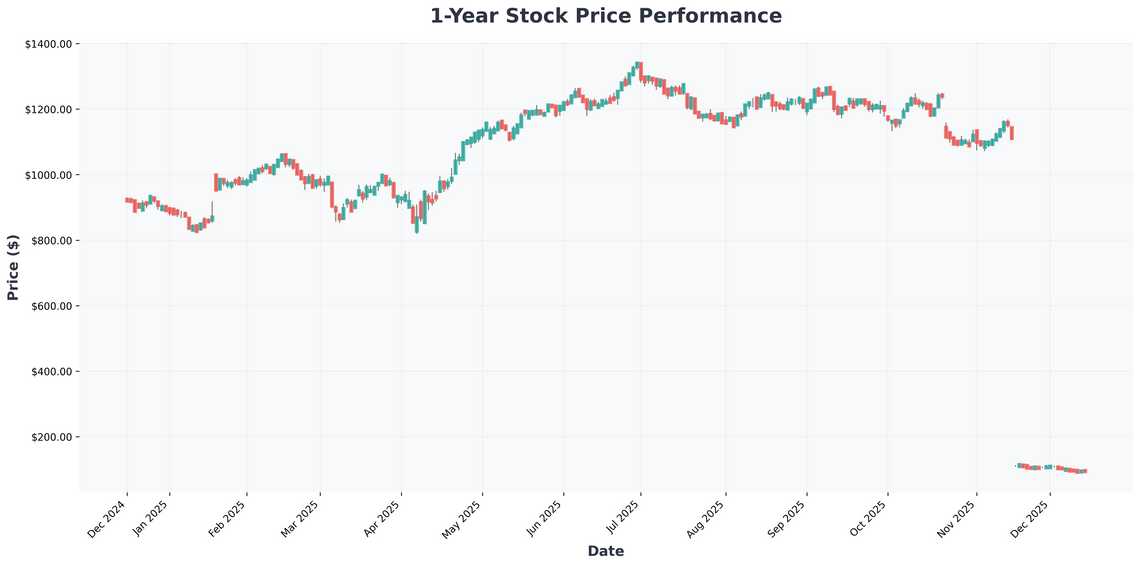
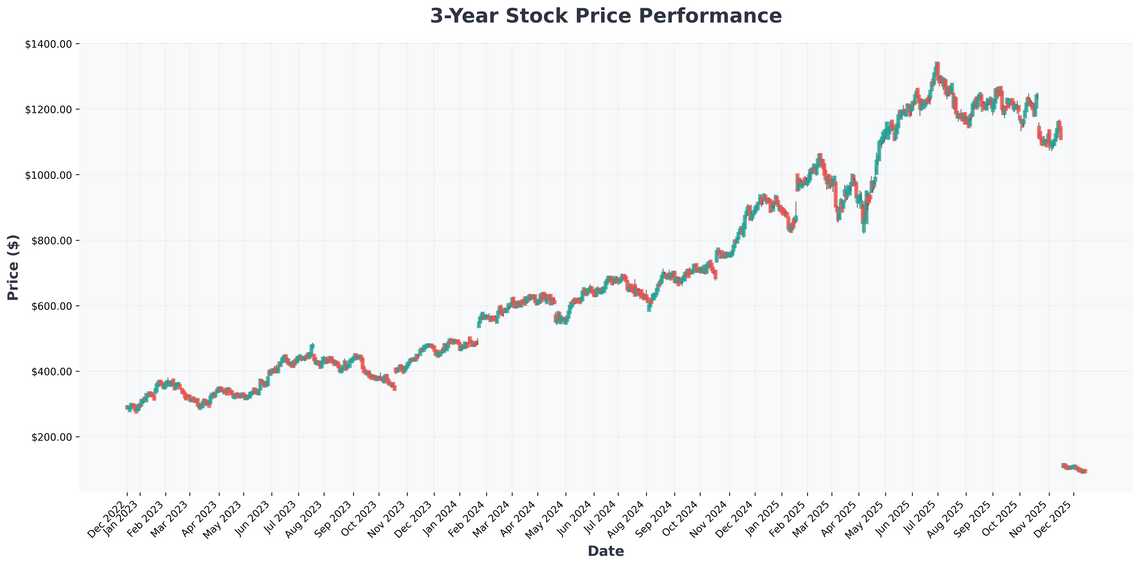
The Newest S&P 500 Member and the Power of the Stock Split The recent inclusion of a stock-split company into the S&P 500 is more than a ceremonial event; it’s a signal of maturity and broad market acceptance. Stock splits, like the one executed by this newcomer, don’t change a company’s fundamental value, but they do enhance liquidity and make shares more psychologically accessible to a wider pool of investors. This increased accessibility often fuels retail interest and can be a hallmark of a company transitioning from high-growth momentum to a stable, blue-chip contender. For long-term investors, an S&P 500 listing provides a stamp of stability and often comes with increased scrutiny and institutional ownership. The key takeaway? Look beyond the split itself. Focus on the underlying business strength that warranted the S&P invite—sustainable profitability, a durable competitive moat, and a clear path for future growth. This company’s journey reflects a classic growth-to-value transition, a theme every portfolio should understand.
💬 Real opinions from real diners — here’s what they had to say about Quarter Sheets Pizza Club to see what makes this place worth a visit.
Netflix’s Perpetual Reinvention: Ads, Games, and Now, Mega-Acquisitions? Netflix isn’t just a streaming service; it’s a case study in strategic agility. Remember when they mailed DVDs? Then pivoted to streaming? Then pioneered global original content? Their latest reinvention involves embracing advertising with their ad-supported tier and pushing deeper into gaming. Now, rumors are swirling about their most audacious move yet: acquiring Warner Bros. Discovery’s key assets. This isn’t just about buying more shows; it’s about acquiring generational franchises—Harry Potter, DC Comics, HBO’s iconic library. For Netflix, this would be a definitive answer to content depth, instantly plugging holes in genres where they lag (like blockbuster franchises and live sports through Warner’s sports rights). It would drastically reduce their reliance on licensing and supercharge their advertising business with a massive, engaged audience. However, the move is fraught with risk. The debt load would be enormous, integration would be a nightmare, and regulatory hurdles are significant. It’s a high-stakes bet that could define the next decade.

Need a fun puzzle game for brain health? Install Sudoku Journey, featuring Grandpa Crypto’s wisdom and enjoy daily challenges.
The Streaming Wars’ New Phase: Consolidation and the Battle for Warner Bros. The “Streaming Wars” have entered a costly, attritional Phase 2. The initial land-grab for subscribers is over. Now, it’s about profitability, bundling, and owning must-have content. The potential sale of Warner Bros. Discovery assets is the epicenter of this new phase. It’s not just Netflix in the fray; Paramount Global is a natural contender, looking to merge its own library (Star Trek, Mission: Impossible) with Warner’s to create a scaled competitor. This highlights the industry’s direction: consolidation. Standalone services like Paramount+ or Peacock struggle for scale. The future belongs to mega-platforms (Netflix, Disney+, Amazon Prime) and bundled offerings. For investors, this means evaluating companies not just on subscriber adds, but on profitability per user, content amortization efficiency, and strategic optionality. The battle for Warner Bros. isn’t just about who wins the asset; it’s about which business model—Netflix’s global tech platform or a traditional media merger—proves more resilient. The outcome will reward the company that can best monetize a vast content library across subscriptions, advertising, and licensing.
Want to boost your memory and focus? Sudoku Journey offers various modes to keep your mind engaged.
So, where does this leave us, the investors? First, respect the S&P 500 addition as a milestone of endurance, not a short-term trading cue. Second, understand that Netflix’s potential play for Warner Bros. is a gamble of “go big or go home” magnitude—it could cement dominance or over-leverage the company. Watch their free cash flow and debt metrics like a hawk. Finally, see the streaming sector for what it is now: a maturing industry where cash flow and IP ownership trump subscriber hype. Diversify across the value chain—maybe a platform like Netflix, a content king like Disney, and the infrastructure players that enable it all. Stay sharp, focus on the long game, and as always, do your own homework. This is Kane Buffett, signing off. Keep investing wisely.
Take your Powerball strategy to the next level with real-time stats and AI predictions from Powerball Predictor.
